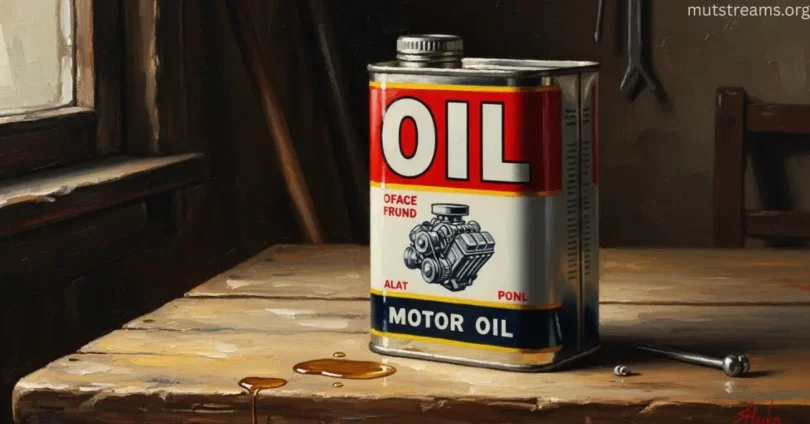

Oil is one of the most important resources in our daily life. We use it in cooking, keeping our skin healthy, and even in machines and vehicles. From the food we eat to the cars we drive, oil plays a big role. Long ago, people discovered oil from plants and the earth, and since then, it has become a part of almost everything we do. Understanding oil, its types, and uses can help us make better choices for health, the environment, and technology.
How Oil is Made
Making oil is an interesting process that turns raw materials from plants or the earth into useful oils we can use every day.
- Collecting raw materials: Oil comes from seeds, nuts, or crude oil from the earth.
- Cleaning: Seeds or crude oil are cleaned to remove dirt and unwanted parts.
- Cold pressing: For natural oils like olive or coconut oil.
- Hot pressing: To get more oil from seeds.
- Chemical extraction: Sometimes chemicals are used to extract oil from hard
- Refining: Oil is filtered, heated, and treated to remove impurities and make it safe for use.
- Quality testing: Oil is tested for color, taste, smell, and purity before selling.
From raw materials to the final product, oil goes through careful steps to become safe and useful for our daily life.
You May also Visit this Link: Stream East Soccer
Types of Oil
There are many types of oil, and each one is used for different purposes in our daily life.
- Vegetable Oils: Made from plants like sunflower, olive, and coconut; used for cooking and health.
- Animal Oils: Extracted from animals, like fish oil; used in food and supplements.
- Mineral Oils: Taken from the earth; mostly used in machines, engines, and industrial work.
- Synthetic Oils: Made in factories; used in engines, machinery, and special industrial purposes.
- Essential Oils: Extracted from flowers, herbs, or fruits; used in aromatherapy, perfumes, and skin care.
Each type of oil has its own use, and knowing them helps us choose the right one for health, cooking, or machines.
Uses of Oil in Daily Life
Oil is very important in our daily life and is used in many ways that help us every day.
- Cooking: Oils like olive, sunflower, and coconut are used to cook food and make it tasty.
- Health and Nutrition: Certain oils provide vitamins and healthy fats for our body.
- Skin Care: Oils like coconut, almond, and essential oils keep skin soft and healthy.
- Hair Care: Oils such as argan or coconut help in strengthening and shining hair.
- Machinery and Vehicles: Engine oils and lubricants help machines and cars work smoothly.
- Industrial Uses: Oils are used in factories to make products and keep machines working.
Oil is everywhere in daily life, from cooking to health to machines, making life easier and better.
Environmental Impact of Oil
Oil is very useful, but its use and waste can sometimes harm our environment.
- Oil Spills: Accidental spills in oceans and rivers can harm fish, plants, and water life.
- Air Pollution: Burning oil in vehicles and factories releases harmful gases into the air.
- Soil Contamination: Oil waste can make soil unhealthy and reduce crop growth.
- Water Pollution: Used oil thrown into water can pollute drinking water and rivers.
- Greenhouse Effect: Oil burning adds carbon dioxide, which contributes to global warming.
- Waste Problems: Improper disposal of oil causes long-term environmental damage.
While oil is important, careful use and proper disposal are needed to protect our environment.
You May also Visit this Link: RDxhd Tech
How to Choose the Right Oil
Choosing the right oil is important for cooking, health, and machines to work properly.
- Check the Type: Use cooking oil for food and engine oil for vehicles or machines.
- Read Labels: Look for freshness, ingredients, and quality marks on the bottle.
- Consider Health Benefits: Choose oils with healthy fats like olive, sunflower, or coconut oil.
- Use the Right Oil for Cooking: Some oils are better for frying, some for salad or low heat.
- For Machines: Always use the oil recommended by the manufacturer for engines or machines.
- Avoid Old or Spoiled Oil: Expired or rancid oil can harm health or damage machines.
Selecting the right oil ensures better health, tasty food, and smooth working of machines.
Storing Oil Properly
Proper storage of oil keeps it fresh, safe, and useful for a longer time.
- Keep in a Cool Place: Store oil away from heat and sunlight to prevent spoilage.
- Use Clean Containers: Always store oil in clean and dry bottles or jars.
- Seal Tightly: Close the lid properly to stop air and moisture from entering.
- Avoid Plastic for Long-term: Glass or metal containers are better for long storage.
- Check Expiry Date: Always use oil before its expiry to ensure quality and safety.
- Avoid Contamination: Do not dip dirty spoons or hands into the oil.
Storing oil properly keeps it healthy, fresh, and safe for cooking or machines.
Benefits of Using Oil
Using the right oil has many benefits for health, daily life, and machines.
- Healthy Cooking: Oils like olive and sunflower provide essential fats and vitamins.
- Skin Care: Oils keep skin soft, hydrated, and glowing.
- Hair Health: Oils strengthen hair and prevent dryness or breakage.
- Smooth Machine Function: Engine and machine oils reduce friction and wear.
- Energy Source: Oil is used as fuel in vehicles and industries.
- Medicinal Uses: Some oils help in healing, relaxation, and aromatherapy.
Using the right oil brings health benefits, improves food taste, and keeps machines working smoothly.
Future of Oil
The future of oil is changing with new technologies and the need for cleaner energy.
- Renewable Alternatives: Bio-oils and plant-based fuels are becoming popular.
- Electric Vehicles: Less reliance on engine oil as electric cars grow.
- Cleaner Production: Advanced methods to make oil use safer for the environment.
- Smart Machines: Machines using oil more efficiently to reduce waste.
- Innovation in Cooking Oils: Healthier and longer-lasting edible oils are being developed.
The future of oil focuses on sustainability, cleaner energy, and better health for people and the planet.
You May also Visit this Link: Atkapp
Common FAQs about Oil
Some FAQs of Oil.
What is the healthiest oil for cooking?
Olive oil, avocado oil, and sunflower oil are considered healthy for daily cooking.
Can oil go bad?
Yes, oil can go rancid if it is exposed to heat, sunlight, or air for too long.
How long can we store cooking oil?
Most cooking oils can be stored for 6–12 months in a cool, dark place.
Is coconut oil good for hair?
Yes, coconut oil can strengthen hair, reduce dryness, and add shine.
Can used oil be recycled?
Yes, used cooking oil can be converted into biofuel or industrial lubricants.
Which oil is best for skin care?
Almond oil, argan oil, and jojoba oil are excellent for soft and healthy skin.
Does engine oil need regular checking?
Yes, checking engine oil regularly helps your vehicle run smoothly and avoids damage.
Can excessive oil consumption affect health?
Yes, eating too much oil can lead to weight gain and heart problems.
Is all oil edible?
No, not all oils are edible. Mineral and synthetic oils are for machines, not food.
What is the role of essential oils?
Essential oils are used in aromatherapy, relaxation, perfumes, and sometimes in skin care.
Conclusion
Oil is not just a part of our daily life but also a key resource for industries and technology. Beyond cooking and health, it helps in making medicines, beauty products, and even renewable fuels. Learning about oil’s production, types, and proper use can save money, reduce waste, and protect the planet. By using oil wisely and exploring new eco-friendly alternatives, we can enjoy its benefits while keeping our environment safe for future generations.