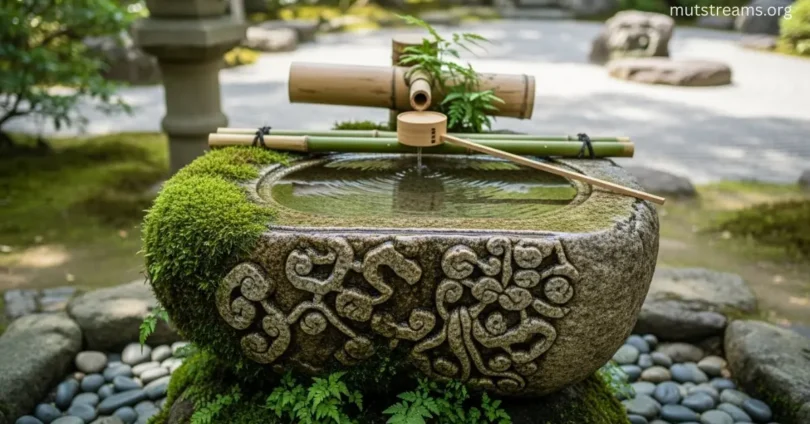

Teshoki life is a way of living that shows simplicity, happiness, and strong connections with family and friends. People who follow Teshoki life enjoy small joys, respect traditions, and value hard work and honesty. Every day is filled with learning, sharing, and enjoying little moments that make life peaceful and meaningful. Whether it is eating, working, or having fun, Teshoki life teaches us how to live with balance, care, and love.
Origins of Teshoki Life
The story of Teshoki life begins many years ago, rooted in traditions and simple living.
- Teshoki life started in small communities where people valued family and togetherness.
- It grew from daily practices of honesty, sharing, and helping neighbors.
- Early Teshoki people relied on farming, crafts, and simple trades for their livelihood.
- Traditions, festivals, and cultural celebrations shaped the Teshoki way of life.
- Storytelling, music, and local art were important to keep values alive.
- Over time, Teshoki life adapted to new ideas but kept its focus on balance and happiness.
The origins of Teshoki life show us that simple values and strong community bonds create a peaceful and meaningful lifestyle.
Daily Routine of a Teshoki
A Teshoki’s day is simple, balanced, and full of meaningful activities.
- Morning: Wake up early, freshen up, and enjoy a healthy breakfast.
- Work or School: Spend focused hours on work, studies, or helping family tasks.
- Midday: Take short breaks, eat lunch, and relax for a little while.
- Afternoon: Continue work, hobbies, or learn new skills.
- Evening: Spend time with family, play games, or go for a walk.
- Dinner and Relaxation: Have dinner together, share stories, and enjoy quiet moments.
The daily routine of a Teshoki teaches balance, discipline, and happiness in everyday life.
Key Values in Teshoki Life
Teshoki life is guided by simple but strong values that shape daily actions and relationships.
- Family First: Caring for and supporting family is the most important priority.
- Friendship and Community: Building trust, helping neighbors, and sharing moments with friends.
- Respect and Kindness: Treating everyone politely and valuing elders and traditions.
- Honesty: Being truthful in work, speech, and actions.
- Hard Work and Responsibility: Doing daily tasks with dedication and completing duties properly.
- Simplicity: Enjoying simple joys instead of chasing unnecessary luxury.
These key values make Teshoki life peaceful, meaningful, and full of strong relationships.
Teshoki Food and Diet
Food is an important part of Teshoki life, keeping people healthy and connected to traditions.
- Simple and Healthy: Meals are made with fresh ingredients and natural flavors.
- Daily Meals: Breakfast, lunch, and dinner are balanced with vegetables, grains, and proteins.
- Special Dishes: Traditional dishes are prepared for festivals or family gatherings.
- Local Ingredients: Fresh fruits, vegetables, and home-grown grains are preferred.
- Shared Meals: Eating together with family and friends strengthens bonds.
- Moderation: Portions are controlled to maintain health and energy.
Teshoki food and diet show that healthy, simple, and shared meals make life joyful and nourishing.
Clothing and Style
Clothing in Teshoki life is simple, comfortable, and reflects culture and personality.
- Daily Wear: Light, comfortable clothes suitable for work, study, and home life.
- Festive Outfits: Special traditional clothing for festivals, weddings, and celebrations.
- Practicality: Clothes are chosen for comfort, weather, and daily activities.
- Cultural Expression: Colors, patterns, and styles often represent local traditions.
- Minimal Accessories: Simple jewelry or items to complement outfits, not for show.
- Self-Care: Clean, neat, and well-maintained clothes reflect respect for self and others.
Teshoki clothing and style show simplicity, cultural pride, and comfort in daily life.
Entertainment and Hobbies
Teshoki life values fun and hobbies as a way to relax, learn, and enjoy time with others.
- Outdoor Activities: Playing sports, walking, cycling, or spending time in nature.
- Indoor Games: Board games, puzzles, and simple fun activities at home.
- Music and Dance: Singing, playing instruments, and dancing during gatherings or festivals.
- Arts and Crafts: Drawing, painting, and creating handmade items for enjoyment.
- Reading and Learning: Books, stories, and learning new skills in free time.
- Social Fun: Visiting friends, sharing stories, and participating in community events.
Entertainment and hobbies in Teshoki life bring joy, creativity, and strong connections with others.
Lessons to Learn from Teshoki Life
Teshoki life teaches simple yet powerful lessons that can make anyone’s life better and happier.
- Value Family: Spending time and caring for family builds strong relationships.
- Practice Honesty: Being truthful creates trust and respect in life.
- Enjoy Simplicity: Small joys bring more happiness than material things.
- Balance Work and Play: Managing responsibilities while having fun improves wellbeing.
- Respect Others: Kindness and politeness strengthen friendships and community bonds.
The lessons from Teshoki life guide us to live a balanced, happy, and meaningful life every day.
Future of Teshoki Life
The future of Teshoki life depends on keeping traditions alive while embracing modern opportunities.
- Modern Adaptation: Teshoki life will mix traditional values with new technology and ideas.
- Education Growth: More access to learning will help Teshoki people improve skills and careers.
- Health Awareness: Focus on better healthcare and fitness to ensure longer, healthier lives.
- Global Connection: Teshoki people may share culture and ideas with the wider world.
- Sustainable Living: Emphasis on eco-friendly practices and protecting the environment.
- Preserving Traditions: Festivals, music, food, and customs will continue to strengthen identity.
The future of Teshoki life looks bright as it balances tradition with progress for a happy, meaningful lifestyle.
Benefits of Using Teshoki
Using Teshoki in daily life brings many advantages for health, happiness, and overall well-being.
- Better Health: Following Teshoki habits promotes a balanced diet, exercise, and mental wellness.
- Stronger Relationships: Emphasizing family and community builds lasting bonds.
- Happiness and Peace: Simple living and gratitude lead to a calm and content mind.
- Personal Growth: Daily routines and values encourage discipline, responsibility, and learning.
- Cultural Connection: Keeps traditions, customs, and identity alive across generations.
The benefits of using Teshoki show that simple, mindful living improves life in every way.
Common FAQs About Teshoki
Some FAQs of Teshoki
What does Teshoki mean?
Teshoki represents a lifestyle focused on simplicity, balance, and strong relationships with family and community.
Is Teshoki life only for certain communities?
No, anyone can adopt Teshoki values and lifestyle practices, no matter where they come from.
Do Teshoki people use modern technology?
Yes, they balance tradition with technology, using it wisely without losing their core values.
Can children follow Teshoki lifestyle?
Absolutely! Children can learn simple routines, respect, and gratitude through Teshoki habits.
Is Teshoki diet vegetarian or non-vegetarian?
It can be either. The focus is on healthy, fresh, and balanced food rather than strict dietary rules.
Are there any specific festivals in Teshoki culture?
Yes, Teshoki life celebrates traditional local festivals, often involving family gatherings, music, and food.
Does Teshoki encourage outdoor activities?
Yes, outdoor activities like sports, gardening, and walks are important for physical and mental health.
How do Teshoki people handle stress?
By practicing meditation, enjoying hobbies, spending time with family, and living a simple routine.
Can Teshoki principles help in modern city life?
Yes, applying values like simplicity, balance, and gratitude can improve urban living and reduce stress.
Is Teshoki lifestyle suitable for everyone?
While it may not fit every person’s habit, many can benefit from adopting small Teshoki practices to improve happiness and health.
Conclusion
Teshoki life teaches us that happiness does not come from wealth or luxury, but from harmony, creativity, and meaningful connections. By embracing Teshoki habits, people can enjoy nature, learn new skills, and discover joy in everyday tasks. This lifestyle encourages mindfulness, self-improvement, and caring for the world around us. Living like a Teshoki is not just about following traditions it’s about creating a life full of purpose, calmness, and personal growth.