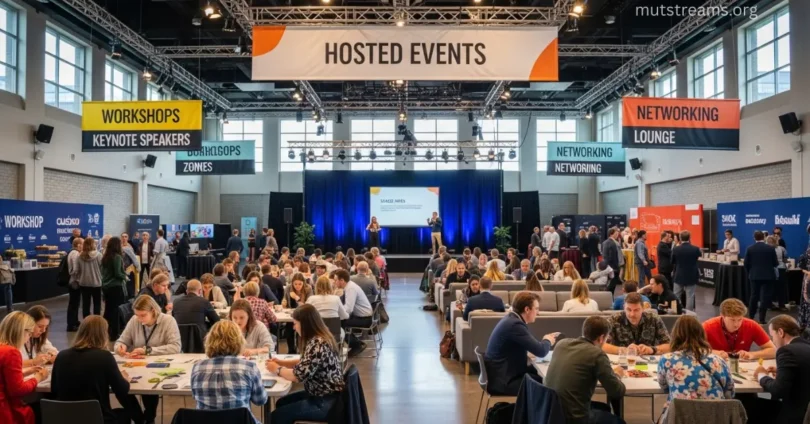

A hosted event is a special gathering where someone organizes and leads an activity for a group of people. It can be small or big, online or in-person, and can happen for fun, learning, or work. Hosted events are important because they bring people together, create memories, and give everyone a chance to share ideas or enjoy something new. Whether it’s a birthday party, a webinar, or a school program, every hosted event needs careful planning to make it successful and enjoyable for everyone.
Planning a Hosted Event
Planning a hosted event carefully is the key to making it fun, smooth, and memorable for everyone.
- Set a Clear Goal: Decide why you are hosting the event – fun, learning, celebration, or networking.
- Choose a Date and Time: Pick a convenient day and time for your audience.
- Select the Venue or Platform: Decide whether it will be online (Zoom, Teams) or offline (hall, park).
- Create a Budget: Plan how much money you will spend on decorations, food, or equipment.
- Make a Guest List: Identify who will attend and send invites in advance.
- Plan the Program: Decide what activities, games, or presentations will happen during the event.
Careful planning makes a hosted event successful, enjoyable, and unforgettable for everyone.
Types of Hosted Events
Hosted events can be different depending on how and where they happen, and who is attending.
- Online Events: Webinars, live streams, or virtual workshops that people join through the internet.
- Offline Events: Parties, conferences, weddings, or community gatherings held in a physical location.
- Hybrid Events: A combination of online and offline, allowing both in-person and virtual participants.
- Corporate Events: Meetings, team-building activities, product launches, or company celebrations.
- Social Events: Birthdays, anniversaries, festivals, or casual get-togethers with friends and family.
- Educational Events: Seminars, workshops, school programs, or training sessions for learning.
Understanding the types of hosted events helps in planning the right activities and reaching the right audience.
Choosing the Right Platform or Venue
Picking the right place or platform is important to make sure your hosted event goes smoothly and everyone enjoys it.
- Consider Your Audience: Think about where your guests are located and what is easiest for them to attend.
- Online Platforms: Use Zoom, Google Meet, Microsoft Teams, or YouTube Live for virtual events.
- Offline Venues: Choose halls, parks, auditoriums, or homes depending on event size and type.
- Check Accessibility: Make sure the location or platform is easy to reach and use for everyone.
- Look at Capacity: Ensure the venue or platform can handle the number of attendees comfortably.
- Evaluate Technology Needs: For online events, check internet speed, microphones, cameras, and screen-sharing tools.
Choosing the right platform or venue ensures your hosted event is comfortable, accessible, and successful.
Preparing Content and Activities
Creating the right content and activities keeps your audience interested and makes the event fun and meaningful.
- Plan the Program Schedule: Decide the order of activities, speeches, games, or performances.
- Select Speakers or Hosts: Choose people who can guide the event, give talks, or entertain participants.
- Create Engaging Presentations: Use slides, videos, or visuals to explain ideas clearly.
- Include Interactive Activities: Games, quizzes, or Q&A sessions help keep participants involved.
- Prepare Materials in Advance: Handouts, digital files, props, or any tools needed for activities.
- Practice Rehearsals: Test activities and content before the event to avoid mistakes.
Well-prepared content and activities make the hosted event engaging, memorable, and enjoyable for everyone.
Marketing Your Hosted Event
Promoting your hosted event helps attract more participants and creates excitement before it begins.
- Use Social Media: Share posts, stories, and updates on Facebook, Instagram, Twitter, or LinkedIn.
- Send Invitations: Email invites or personal messages to make sure people know about your event.
- Create Eye-Catching Posters or Flyers: Use simple, colorful designs to grab attention.
- Leverage Word-of-Mouth: Ask friends, family, or colleagues to spread the news.
- Highlight Benefits: Tell people why they should attend – fun, learning, networking, or prizes.
Effective marketing ensures your hosted event reaches the right audience and generates excitement.
Challenges of Hosting Events
Hosting an event can be exciting, but it also comes with some common challenges that need planning and care.
- Low Attendance: Fewer people than expected may join due to poor promotion or timing issues.
- Technical Issues: Online events may face internet problems, microphone or camera failures.
- Budget Limitations: Costs for venue, decorations, or equipment may exceed the budget.
- Time Management: Keeping the event on schedule can be difficult if activities take longer than planned.
- Audience Engagement: Keeping everyone interested and active throughout the event can be challenging.
Recognizing these challenges early helps you prepare solutions and host a smooth and successful event.
Benefits of Hosting Events
Hosting an event is not just fun, it also brings many advantages for individuals, groups, and organizations.
- Social Connection: Events help people meet, interact, and build friendships or networks.
- Professional Growth: Hosting business or corporate events promotes your brand and skills.
- Learning Opportunities: Educational or training events allow participants to gain knowledge and new ideas.
- Fun and Entertainment: Events provide joy, excitement, and memorable experiences for everyone.
- Community Engagement: Local gatherings strengthen community bonds and participation.
Hosting events brings joy, learning, and valuable connections, making it worthwhile for both hosts and participants.
Common FAQs About Hosted Events
Some FAQs of Hosted Events
What is a hosted event?
A hosted event is an organized gathering where someone leads or manages activities for a group of participants.
Do hosted events always need a physical location?
No, they can be online, offline, or a hybrid of both, depending on the audience and purpose.
Can anyone host an event?
Yes, anyone can host an event, but proper planning and preparation make it successful.
How long should a typical hosted event last?
It depends on the type, but most events last between 1 to 3 hours for engagement without fatigue.
What is the main purpose of hosting events?
To bring people together for fun, learning, networking, celebration, or sharing ideas.
Do hosted events require special equipment?
Some may need microphones, projectors, cameras, or online tools, depending on the format.
How can I make a hosted event more interactive?
Include games, quizzes, Q&A sessions, polls, or live discussions to engage participants.
Are hosted events suitable for small groups?
Yes, events can be designed for just a few people or hundreds of participants.
Is it necessary to charge for hosted events?
Not always. Some events are free, while others may have tickets or registration fees.
How do I know if my hosted event was successful?
Success can be measured by participant feedback, engagement level, attendance, and meeting your event goals.
Conclusion
Hosting an event is more than just organizing activities it’s about creating memorable experiences and leaving a positive impact on everyone involved. When done thoughtfully, hosted events can inspire creativity, strengthen relationships, and even open new opportunities for learning or collaboration. Every event, no matter how small or large, is a chance to connect, share, and celebrate moments that people will remember for a long time.